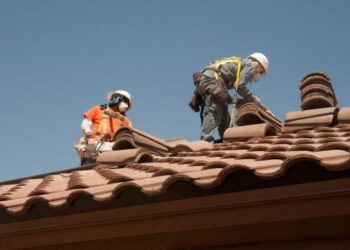

Office building roofing services play a crucial role in maintaining a safe and functional workspace. From the choice of roofing materials to regular maintenance, the quality of the roof impacts various aspects of the building. Let's delve into the world of office building roofing services to understand their importance and benefits.
Importance of Quality Roofing in Office Buildings
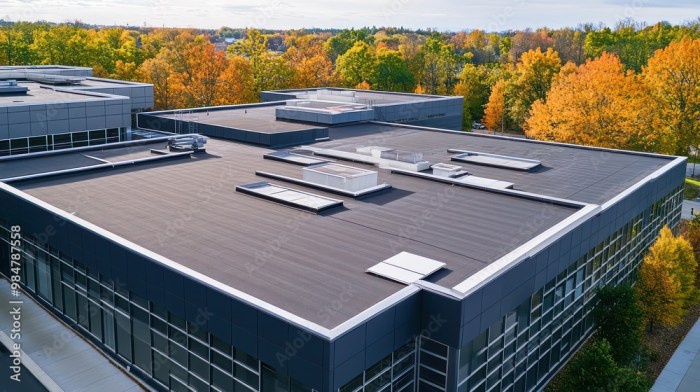
Having a well-maintained roof in office buildings is crucial for the overall safety and functionality of the workplace. A quality roof not only protects the building from external elements but also ensures a comfortable and productive environment for employees.
Impact on Safety
- Quality roofing helps prevent water leaks, which can lead to slippery floors and potential accidents.
- A sturdy roof can withstand strong winds and storms, reducing the risk of structural damage and ensuring the safety of occupants.
- Properly maintained roofs decrease the chances of mold growth and other health hazards that can affect employees.
Functional Efficiency
- Leak-free roofs preserve the integrity of office equipment, preventing damage and costly repairs.
- Well-insulated roofs contribute to energy efficiency, reducing heating and cooling costs for the building.
- Aesthetically pleasing and well-maintained roofs enhance the overall image and reputation of the company.
Types of Roofing Materials Suitable for Office Buildings
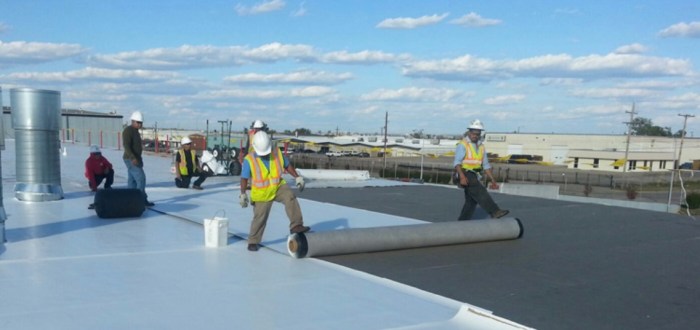
When it comes to choosing the right roofing materials for office buildings, various factors need to be considered, including durability, cost, maintenance requirements, aesthetic appeal, and energy efficiency.
1. Asphalt Shingles
Asphalt shingles are one of the most common roofing materials used for office buildings due to their affordability and ease of installation. They come in a variety of colors and styles, providing some aesthetic versatility. However, asphalt shingles may not be the most durable option and may require more frequent maintenance compared to other materials.
2. Metal Roofing
Metal roofing is known for its durability and longevity, making it a popular choice for office buildings. While metal roofing may have a higher upfront cost, it requires minimal maintenance and can last for decades. Additionally, metal roofs are energy-efficient, reflecting heat and reducing cooling costs for the building.
3. EPDM Roofing
EPDM (ethylene propylene diene terpolymer) roofing is a synthetic rubber material commonly used in commercial buildings, including offices. It offers excellent durability and resistance to weathering, making it a reliable choice for flat or low-slope roofs. EPDM roofing is also known for its energy efficiency and ease of installation.
4. Green Roofing
Green roofing involves the use of vegetation and plants on the roof surface, providing natural insulation and reducing energy costs for the building. While green roofs require more maintenance and upfront investment, they offer environmental benefits, including improved air quality, stormwater management, and biodiversity.
Green roofs can also enhance the aesthetic appeal of the office building.
5. Clay or Concrete Tiles
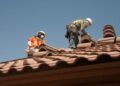
Clay or concrete tiles are popular for their durability and classic appearance, adding a touch of elegance to office buildings. While these materials are more expensive upfront and may require additional structural support due to their weight, they offer excellent longevity and minimal maintenance requirements.
Common Roofing Services Required for Office Buildings
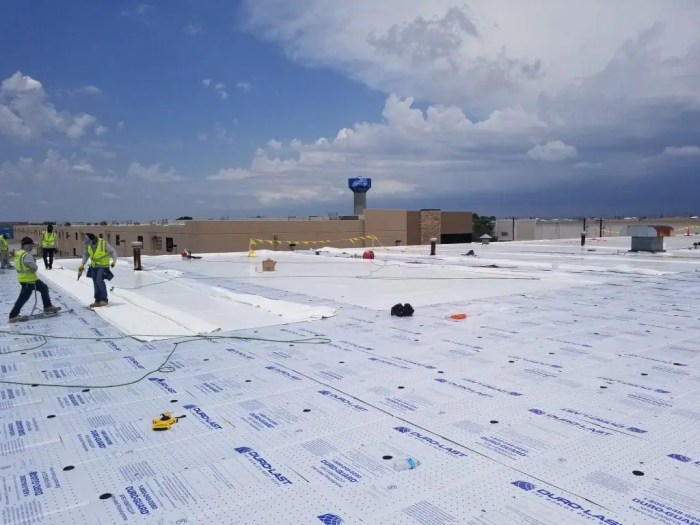
Office buildings require regular maintenance and care to ensure the longevity and functionality of their roofs. Here are some common roofing services needed for office buildings:
Roof Inspections and Maintenance
- Regular roof inspections to identify any signs of damage, wear and tear, or leaks.
- Cleaning of debris, leaves, and other materials that can accumulate on the roof and cause issues.
- Sealing of any cracks or openings to prevent water leakage and moisture damage.
- Checking and maintaining the roof drainage system to ensure proper water flow.
Timely Repairs and Replacements
- Timely repairs of any damages or leaks to prevent further deterioration and potential structural issues.
- Replacement of damaged or old roofing materials to maintain the integrity of the roof.
- Upgrading the insulation and ventilation system to improve energy efficiency and indoor comfort.
- Regular maintenance to extend the lifespan of the roof and avoid costly repairs in the future.
Benefits of Regular Roof Maintenance for Office Buildings
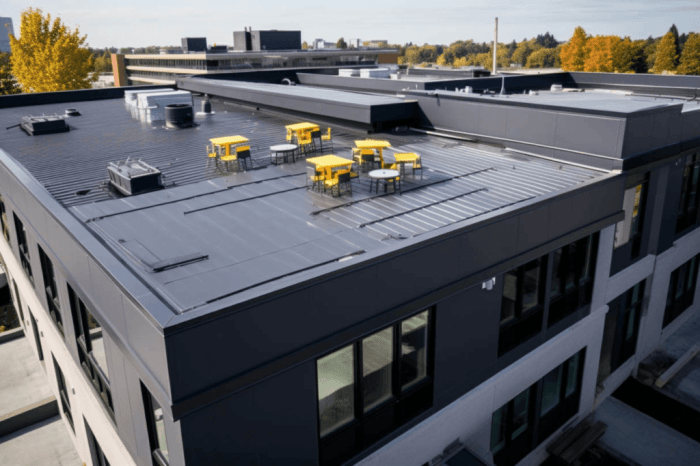
Regular roof maintenance for office buildings offers numerous advantages that can help extend the lifespan of the roof, save costs, and improve energy efficiency. By scheduling routine inspections and maintenance, office building owners can prevent small issues from escalating into major problems, ultimately saving time and money in the long run.
Extended Lifespan of the Roof
Regular roof maintenance, including inspections, cleaning, and repairs, can significantly extend the lifespan of the roof. By addressing minor issues promptly, such as leaks, cracks, or damaged shingles, the overall structural integrity of the roof is preserved. This proactive approach helps avoid costly repairs or premature roof replacement, ensuring the longevity of the building's roofing system.
Cost Savings
Proper roof maintenance can lead to substantial cost savings for office buildings. By identifying and repairing small issues early on, building owners can prevent the need for expensive repairs or complete roof replacements down the line. Additionally, regular maintenance helps maintain the energy efficiency of the building, reducing utility costs associated with heating and cooling.
Improved Energy Efficiency
A well-maintained roof plays a crucial role in the energy efficiency of an office building. By keeping the roof in good condition, building owners can prevent air leaks, improve insulation, and reduce heat transfer, ultimately lowering energy consumption. This not only leads to cost savings but also contributes to a more sustainable and environmentally friendly building operation.
Conclusive Thoughts
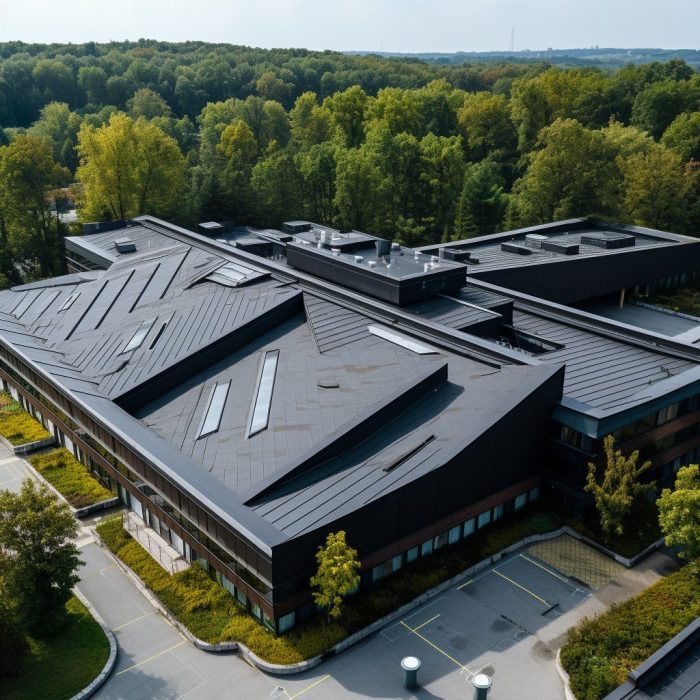
In conclusion, office building roofing services are essential for ensuring a secure and efficient work environment. By investing in quality roofing materials and regular maintenance, businesses can enhance the longevity of their office buildings and reduce long-term costs. Stay informed and proactive when it comes to your office building roofing needs to reap the benefits in the long run.
Questions and Answers
What are the common issues that can arise from poor roofing in office buildings?
Poor roofing in office buildings can lead to water leaks, mold growth, structural damage, and decreased energy efficiency.
How often should office buildings schedule roof inspections?
It is recommended to have roof inspections at least twice a year, ideally in the spring and fall, to catch potential issues early.
What are the benefits of energy-efficient roofing options for office buildings?
Energy-efficient roofing options can help reduce cooling costs, minimize environmental impact, and improve overall sustainability of the building.