
As industrial roofing contractors take the spotlight, this opening passage invites readers into a realm of expertise, promising an engaging and informative read.
The following paragraph will delve into the intricacies of the industrial roofing industry, shedding light on various aspects of this specialized field.
Types of Industrial Roofing Materials
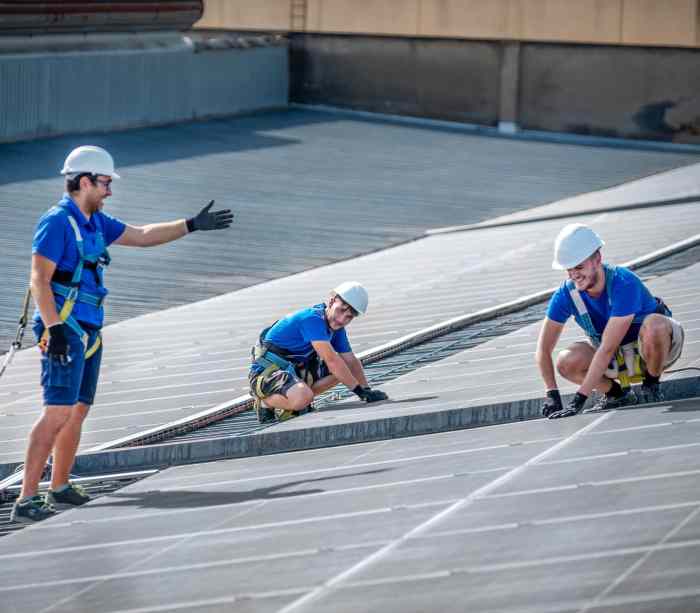
When it comes to industrial roofing, different materials are used based on factors like durability, cost, and environmental impact. Let's explore some common roofing materials used by industrial roofing contractors.
Metal Roofing
Metal roofing is a popular choice for industrial buildings due to its durability and longevity. It is resistant to fire, mildew, insects, and rot. However, metal roofing can be more expensive upfront compared to other materials.
Single-Ply Membrane
Single-ply membrane roofing is lightweight, flexible, and easy to install. It provides good UV resistance and energy efficiency. However, it may not be as durable as other materials and can be vulnerable to punctures.
Built-Up Roofing (BUR)
Built-Up Roofing consists of multiple layers of asphalt and reinforcing fabrics. It offers excellent waterproofing and can withstand heavy foot traffic. On the downside, BUR roofs can be heavy and may require additional support for installation.
Modified Bitumen
Modified Bitumen roofing is a hybrid system that combines the durability of BUR with the flexibility of a single-ply membrane. It is easy to repair and maintain but may be more expensive than other options.
Green Roofing
Green roofing involves the use of vegetation and plants to cover the roof surface. It provides insulation, reduces energy costs, and improves air quality. However, green roofs require regular maintenance and can be costly to install.
Comparing Environmental Impact
In terms of environmental impact, metal roofing is highly recyclable and can be made from recycled materials. Single-ply membrane and modified bitumen are energy-efficient options. Green roofing is the most environmentally friendly choice due to its ability to reduce heat island effect and promote biodiversity.
Safety Protocols for Industrial Roofing Projects
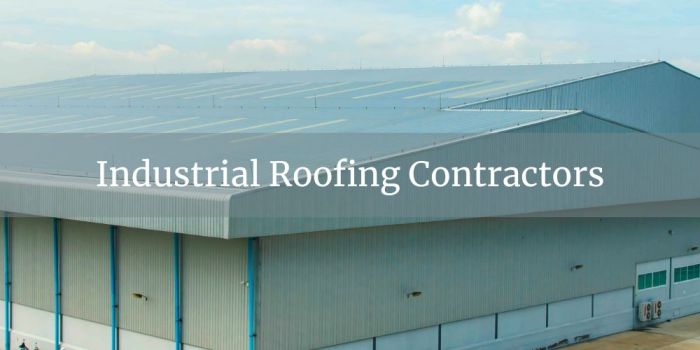
Industrial roofing contractors must adhere to strict safety protocols to ensure the well-being of their workers and the successful completion of roofing projects. By implementing the following safety measures and providing the necessary equipment, contractors can mitigate common hazards and create a secure work environment for all involved.
Personal Protective Equipment (PPE)
- Hard hats: Protect workers from head injuries due to falling objects.
- Safety harnesses: Essential for working at heights to prevent falls.
- Non-slip footwear: Helps maintain stability on slippery surfaces.
- Protective eyewear: Shields eyes from debris and harmful UV rays.
- Gloves: Protect hands from cuts, burns, and other injuries.
Safe Work Practices
- Regular safety training: Ensure all workers are aware of proper procedures and protocols.
- Fall protection systems: Install guardrails, safety nets, or personal fall arrest systems for working at heights.
- Secure ladders: Use stable and secure ladders with proper footing and a spotter for stability.
- Electrical safety: Avoid working near power lines and ensure all electrical equipment is properly grounded.
Common Hazards and Mitigation
- Slips and falls: Keep work areas clean and dry, use non-slip footwear, and provide fall protection gear.
- Weather conditions: Monitor weather forecasts and avoid working in extreme conditions like high winds or thunderstorms.
- Hazardous materials: Properly handle and dispose of materials like asbestos or chemicals according to regulations.
- Roof collapse: Inspect roofs for structural integrity before starting work, and avoid overloading the roof with equipment or materials.
Industrial Roofing Design Considerations
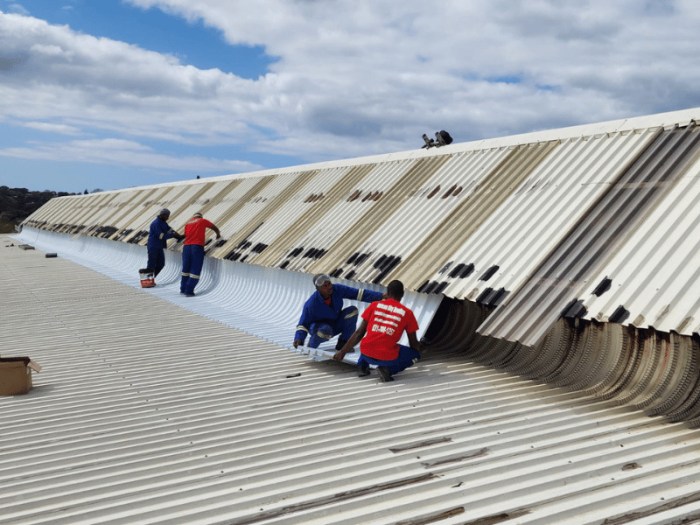
When it comes to industrial roofing projects, there are several key factors that contractors need to consider during the design phase. Proper planning and attention to detail can make a significant difference in the longevity and effectiveness of the roof.
One of the crucial aspects of industrial roofing design is the implementation of proper drainage systems to ensure that water is effectively redirected away from the roof surface. This helps prevent water pooling, which can lead to leaks, structural damage, and premature deterioration of the roofing materials.
The Importance of Proper Drainage Systems
Proper drainage systems are essential for industrial roofs to prevent water accumulation, which can cause a range of issues such as leaks, mold growth, and damage to the building structure. Industrial roofing contractors must carefully design and install a drainage system that efficiently channels water away from the roof surface.
This can involve the use of gutters, downspouts, and slope adjustments to ensure that water flows freely and does not collect in any particular area.
Impact of Weather Conditions on Design Choices
Weather conditions play a significant role in determining the design choices made by industrial roofing contractors. Factors such as heavy rainfall, snow accumulation, strong winds, and extreme temperatures can all impact the performance and durability of the roof. Contractors need to take these factors into account when selecting roofing materials, insulation, and drainage systems to ensure that the roof can withstand the local climate conditions.
Additionally, the design must consider factors like thermal expansion and contraction, UV exposure, and wind uplift to ensure the roof's longevity and performance over time.
Cost Estimation and Budgeting for Industrial Roofing Projects
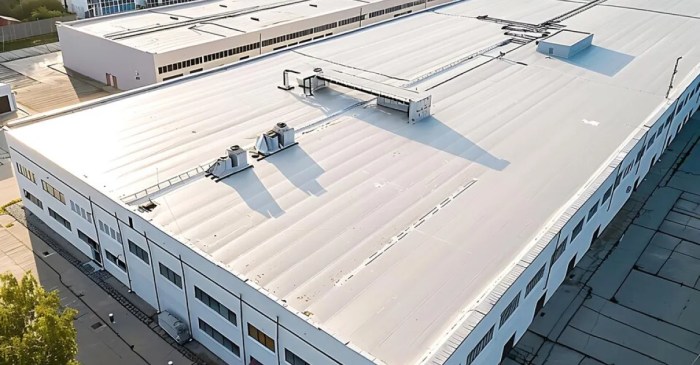
Industrial roofing projects can vary significantly in terms of costs depending on various factors such as the size of the roof, materials used, labor requirements, and any additional features or modifications needed. Accurate cost estimation and budgeting are crucial for the success of any industrial roofing project to ensure that the project stays within financial constraints while maintaining quality standards.
Typical Costs Involved in Industrial Roofing Projects
- Materials: The cost of materials such as metal roofing panels, insulation, sealants, and fasteners can make up a significant portion of the overall project cost.
- Labor: Labor costs for industrial roofing projects can vary based on the complexity of the project, the size of the roof, and the expertise required.
- Equipment: Specialized equipment such as cranes, lifts, and safety gear may be needed for industrial roofing projects, adding to the overall cost.
- Permits and Inspections: Obtaining permits and scheduling inspections can also contribute to the total project cost.
- Contingency: It's important to include a contingency fund in the budget to account for unexpected expenses or changes in the project scope.
Strategies for Accurate Cost Estimation and Budgeting
- Thorough Site Assessment: Conduct a detailed assessment of the site to understand the specific requirements of the project and identify any potential challenges that could impact costs.
- Collaboration with Suppliers: Work closely with suppliers to get accurate quotes for materials and ensure that there are no surprises when it comes to costs.
- Labor Analysis: Estimate labor costs based on the scope of work, the expertise required, and the duration of the project to avoid underestimating this crucial aspect of the budget.
- Regular Updates: Keep track of expenses throughout the project to identify any deviations from the budget early on and make necessary adjustments.
Optimizing Costs without Compromising Quality
- Value Engineering: Explore alternative materials or construction methods that can achieve the desired quality while reducing costs.
- Efficient Project Management: Streamline processes, minimize waste, and optimize resource allocation to improve cost-effectiveness without sacrificing quality.
- Investing in Training: Ensure that your team is well-trained and equipped to handle the project efficiently, reducing errors and rework that can drive up costs.
- Maintain Communication: Clear communication with all stakeholders, including clients, suppliers, and team members, can help prevent misunderstandings that could lead to cost overruns.
Conclusion
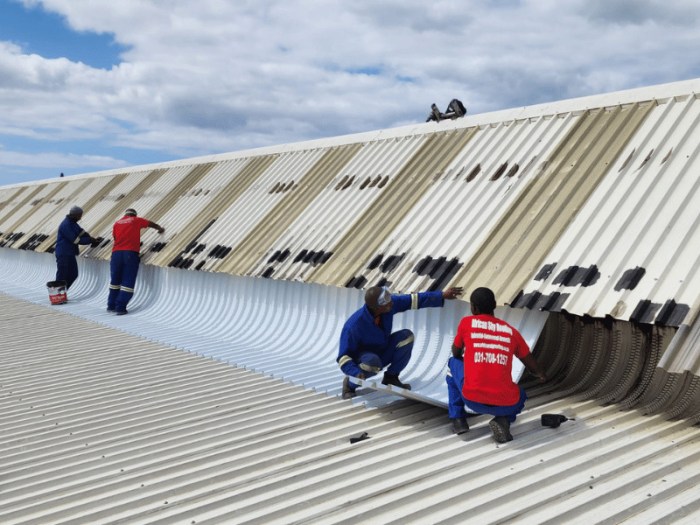
Concluding our discussion on industrial roofing contractors, we reflect on the key insights shared, encapsulating the essence of this crucial profession.
Frequently Asked Questions
What are the common materials used by industrial roofing contractors?
Industrial roofing contractors commonly use materials such as metal, asphalt, PVC, TPO, and EPDM.
What safety protocols must industrial roofing contractors follow on job sites?
Industrial roofing contractors must adhere to safety measures like fall protection, proper equipment usage, and regular safety training.
What factors should industrial roofing contractors consider during the design phase?
Key factors include drainage systems, weather conditions, and structural integrity requirements.
How can industrial roofing contractors optimize costs without compromising quality?
Contractors can optimize costs by using efficient materials, proper budgeting, and strategic project management.