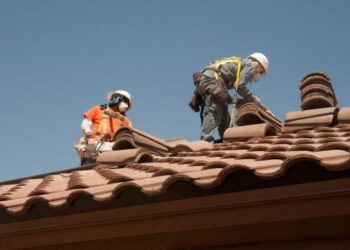

Embark on a journey through the world of roof damage assessment services, where the importance of timely assessments and the various types of damages are unveiled. Discover the techniques, tools, and benefits of professional assessments, along with the step-by-step process involved.
Importance of Roof Damage Assessment Services
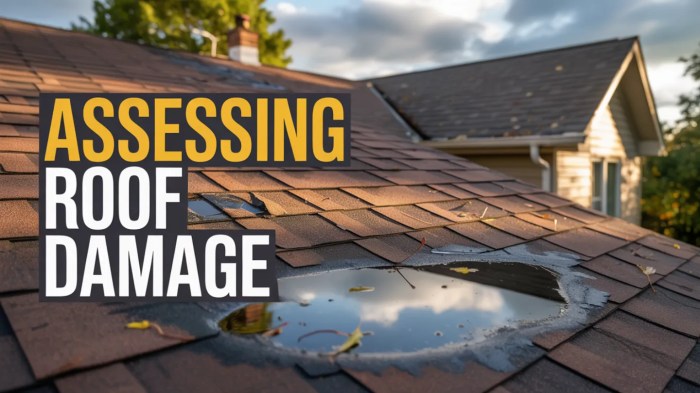
Roof damage assessment services play a crucial role in maintaining the structural integrity of a building. Timely inspections can help identify issues before they escalate into major problems.
Regular assessments are essential to prevent costly repairs that may arise from neglected maintenance. By detecting issues early on, property owners can save money by addressing minor repairs promptly.
Preventing Severe Damage
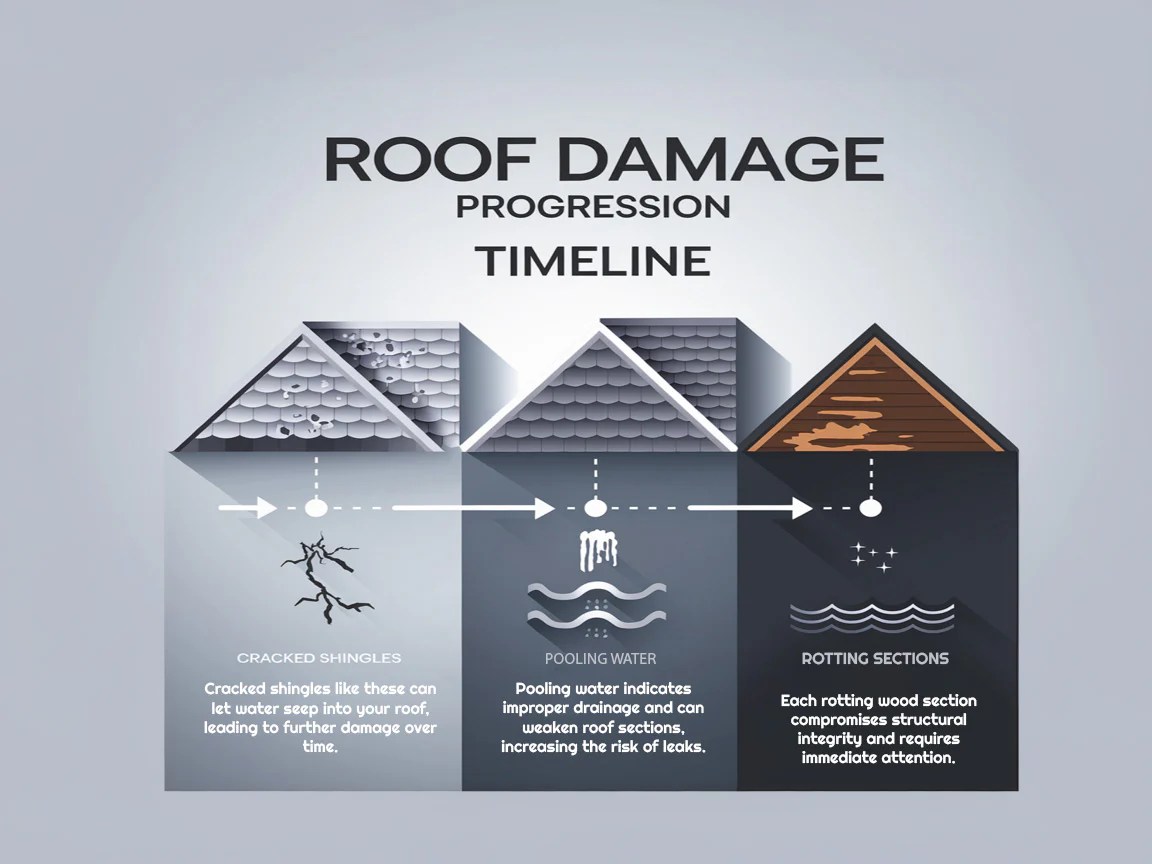
- Leaving roof damage unattended can lead to water leaks, which can cause mold growth and compromise the building's structure.
- Over time, undetected roof damage can result in rotting wood, weakened support beams, and even structural collapse in extreme cases.
- Ignoring assessments can also impact the insulation of the building, leading to energy inefficiency and higher utility bills.
Types of Roof Damage
When assessing roof damage, professionals typically look for various types of issues that can affect the structural integrity of the roof. These types of damage can be caused by a variety of factors, including weather conditions, aging, and poor maintenance.
Impact of Weather Conditions
Weather conditions play a significant role in causing damage to roofs. Elements such as rain, wind, snow, and hail can wear down the materials over time, leading to leaks, cracks, and other issues. Exposure to extreme temperatures can also cause materials to expand and contract, leading to potential damage.
- Heavy Rain: Excessive rainfall can lead to water pooling on the roof, causing leaks and water damage.
- Strong Winds: High winds can lift shingles or tiles, creating openings for water to seep through.
- Snow and Ice: Snow accumulation can add weight to the roof, potentially causing it to sag or even collapse. Ice dams can also form, leading to water penetration.
- Hail Damage: Hail storms can cause dents, cracks, or punctures in the roof, compromising its integrity.
Effect on Roof Longevity
Different types of damage can have varying impacts on the longevity of a roof. If left unaddressed, even minor damage can worsen over time and lead to the need for costly repairs or premature replacement.
- Water Damage: Leaks caused by water damage can lead to mold growth, rot, and structural deterioration.
- Structural Damage: Issues such as sagging, buckling, or missing materials can compromise the roof's ability to protect the building.
- Moss and Algae Growth: Organic growth on the roof can trap moisture and accelerate deterioration.
- Improper Installation: Poor installation practices can result in premature wear and tear, reducing the roof's lifespan.
Techniques and Tools Used in Roof Damage Assessment
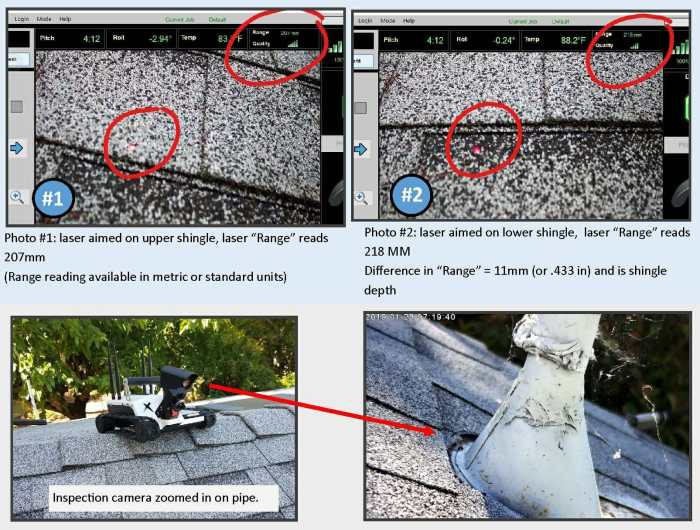
Roof damage assessment professionals employ a variety of techniques and tools to accurately evaluate the condition of a roof. These methods are crucial in determining the extent of damage and formulating an effective repair plan.
Visual Inspection
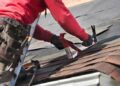
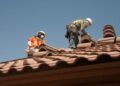
Visual inspection is one of the primary techniques used in roof damage assessment. Professionals visually inspect the roof for signs of damage such as missing or damaged shingles, cracks, leaks, and sagging areas. This hands-on approach allows them to identify visible issues that may require immediate attention.
Drone Technology
The use of drones has revolutionized roof damage assessment by providing a bird's eye view of the roof without the need for climbing. Drones equipped with high-resolution cameras can capture detailed images and videos of the roof, allowing professionals to assess hard-to-reach areas and identify damage more accurately.
Infrared Cameras
Infrared cameras are another advanced tool used in roof damage assessment. These cameras detect temperature differentials on the roof's surface, indicating areas of moisture infiltration or insulation problems. By pinpointing areas of concern, professionals can address hidden issues that may not be visible during a visual inspection.
Technology Integration
Technology has significantly improved the accuracy of roof damage assessments by enabling professionals to gather data more efficiently and effectively. Software programs can analyze drone footage and infrared images, providing detailed reports on the roof's condition. This integration of technology ensures that no damage goes unnoticed, leading to more precise repair recommendations.
Conclusion
By utilizing a combination of techniques and advanced tools such as drones and infrared cameras, professionals can conduct thorough and precise roof damage assessments. The use of technology has not only enhanced the accuracy of these assessments but also improved the overall efficiency of the repair process.
Benefits of Professional Roof Damage Assessment Services
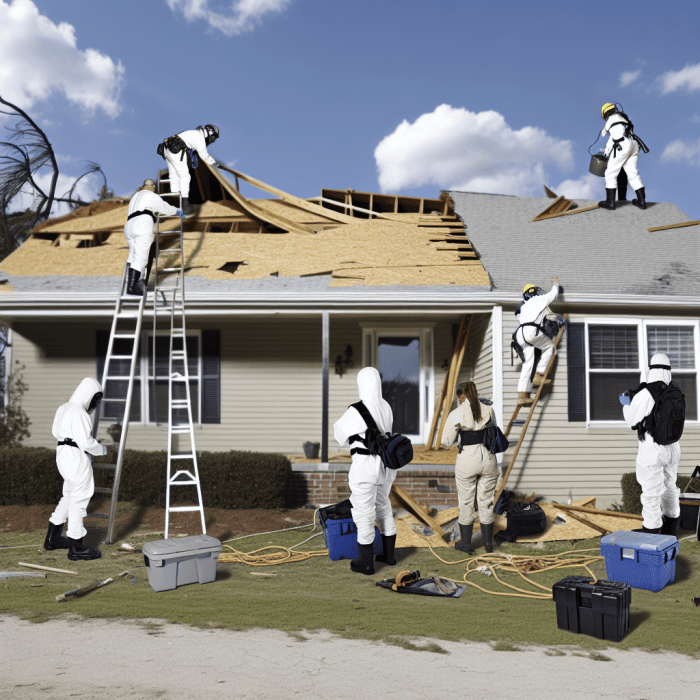
When it comes to assessing roof damage, hiring professionals can provide various advantages compared to attempting a DIY assessment. Professional roof damage assessment services offer expertise, precision, and thoroughness that can uncover hidden issues and ensure accurate evaluation of the condition of your roof.
Expertise and Experience
Professional roof assessors have the knowledge and experience to identify even the most subtle signs of damage that untrained eyes might miss. Their expertise allows them to assess the extent of damage accurately and recommend the most appropriate solutions.
Use of Advanced Techniques and Tools
Professional roof damage assessment services utilize advanced techniques and tools to conduct a comprehensive evaluation of your roof. This includes infrared imaging, moisture meters, and drones, which can provide detailed insights into the condition of your roof, helping to detect hidden damage.
Accurate Damage Assessment
By hiring professionals, you can ensure that your roof damage assessment is accurate and reliable. This can prevent costly repairs down the line by addressing issues promptly and effectively. Professional assessments can also help you make informed decisions regarding roof maintenance and repairs.
Case Studies
In many cases, professional roof damage assessments have uncovered hidden damage that was not visible during a DIY inspection. For example, a homeowner might have thought their roof only needed minor repairs, but a professional assessment revealed underlying issues that required immediate attention.
These case studies highlight the importance of hiring professionals for thorough and accurate roof damage assessments.
Steps Involved in a Roof Damage Assessment
Roof damage assessments are crucial in determining the extent of damage and necessary repairs to ensure the safety and integrity of a property. Professionals follow a systematic process to conduct a thorough assessment.
Step 1: Visual Inspection
During the initial phase, professionals conduct a visual inspection of the roof to identify any visible signs of damage such as missing shingles, cracks, or leaks. This helps in determining the areas that require closer examination.
Step 2: Interior Inspection
After the visual assessment, professionals inspect the interior of the property to check for any signs of water damage, mold growth, or stains on ceilings and walls. This helps in identifying potential roof leaks and their impact on the interior structure.
Step 3: Detailed Examination
In this step, professionals use specialized tools such as drones, moisture meters, and thermal imaging cameras to conduct a more detailed examination of the roof. This helps in detecting hidden damage and assessing the overall condition of the roof.
Step 4: Prioritizing Areas for Inspection
Based on the findings from the visual and detailed inspections, professionals prioritize areas that require immediate attention and repairs. This helps in addressing critical issues first to prevent further damage.
Step 5: Documentation and Reporting
Once the assessment is complete, professionals document their findings, including photographs, videos, and written reports. This information is then shared with the property owner to provide a clear understanding of the roof's condition and recommended repairs.
Last Point
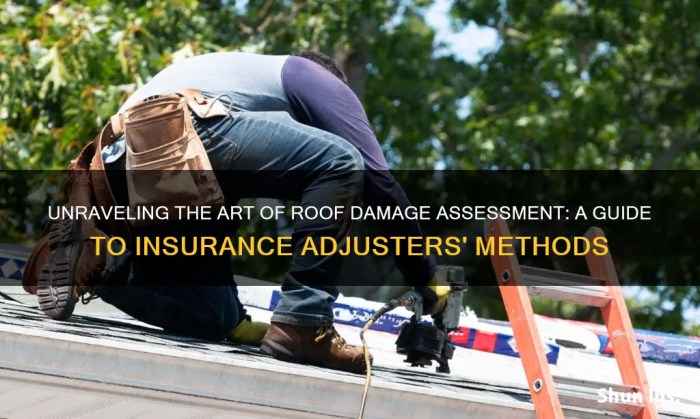
In conclusion, roof damage assessment services play a crucial role in maintaining the structural integrity of a building. By understanding the significance of assessments and utilizing professional services, property owners can safeguard their roofs from potential damage and costly repairs.
FAQ Section
What are the common types of roof damage?
Common types of roof damage include leaks, cracks, missing shingles, and water ponding.
How do professionals prioritize areas for inspection during a roof damage assessment?
Professionals prioritize areas based on known vulnerable spots, previous damage history, and signs of wear and tear.
What are the advantages of hiring professionals for roof assessments?
Professional assessments ensure thorough inspection, accurate diagnosis, and timely identification of potential issues that may go unnoticed in DIY assessments.