
Kicking off with industrial roofing systems installation, this opening paragraph is designed to captivate and engage the readers, providing a comprehensive overview of the types of industrial roofing systems, installation process, materials and tools needed, and maintenance and repairs involved.
Types of Industrial Roofing Systems
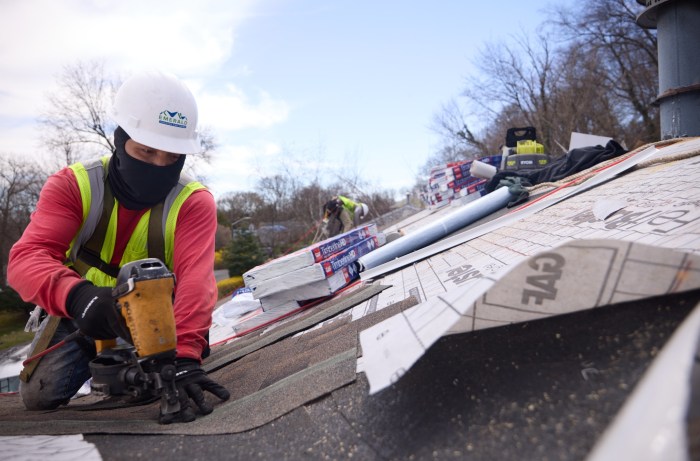
Industrial buildings require durable and reliable roofing systems to protect the interior from harsh weather conditions and ensure a safe working environment. Various types of industrial roofing systems are available, each offering unique features and benefits suited for different applications.
Metal Roofing Systems
Metal roofing systems are popular in industrial settings due to their durability, longevity, and low maintenance requirements. They are commonly used in warehouses, factories, and manufacturing plants. Metal roofs are resistant to fire, pests, and extreme weather conditions, making them a cost-effective option for industrial buildings.
PVC Roofing Systems
PVC roofing systems are known for their flexibility, chemical resistance, and energy efficiency. They are commonly used in chemical processing plants, food processing facilities, and pharmaceutical plants. PVC roofs provide excellent protection against chemicals, oils, and grease, making them ideal for industrial environments with strict hygiene requirements.
TPO Roofing Systems
TPO roofing systems offer a combination of durability, energy efficiency, and ease of installation. They are commonly used in distribution centers, logistics facilities, and retail warehouses. TPO roofs reflect sunlight, reducing cooling costs in industrial buildings and providing a comfortable indoor environment for workers.
EPDM Roofing Systems
EPDM roofing systems are known for their weather resistance, flexibility, and long service life. They are commonly used in automotive manufacturing plants, storage facilities, and data centers. EPDM roofs are resistant to UV radiation, ozone, and high winds, making them a reliable choice for industrial buildings in various climates.
Built-Up Roofing Systems
Built-up roofing systems consist of multiple layers of bitumen and reinforcing materials, providing excellent waterproofing and insulation properties. They are commonly used in industrial complexes, power plants, and heavy machinery facilities. Built-up roofs can withstand heavy foot traffic and equipment loads, making them suitable for high-traffic industrial environments.
Installation Process
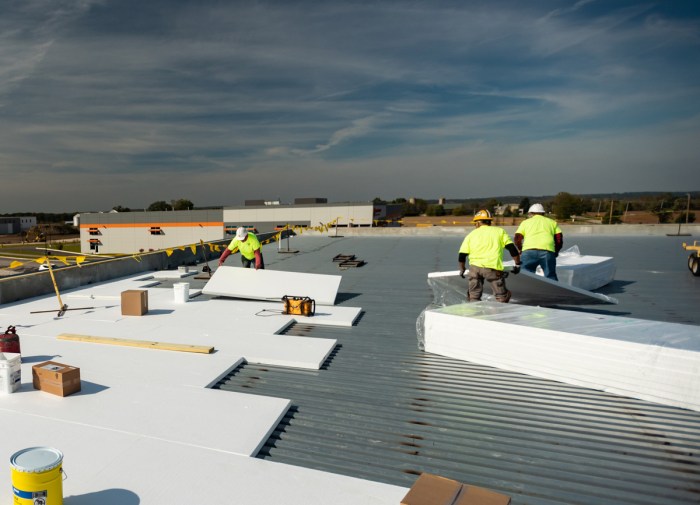
When it comes to installing industrial roofing systems, a systematic approach is crucial to ensure a successful outcome. Below is a step-by-step guide detailing the installation process, along with the necessary preparation work and safety measures to be considered.
Preparation Work
Before the actual installation begins, several preparatory steps need to be taken to ensure a smooth and efficient process:
- Inspect the existing roof structure to assess its condition and identify any repairs or reinforcements needed.
- Clean the surface of the roof thoroughly to remove any debris, dirt, or other contaminants that could affect the installation.
- Ensure proper ventilation in the work area to minimize the risk of exposure to fumes or hazardous materials.
- Secure all necessary permits and approvals required for the installation of industrial roofing systems.
Safety Measures
Safety should always be a top priority during the installation of industrial roofing systems. Here are some essential safety measures to consider:
- Provide adequate training to all personnel involved in the installation process on proper safety protocols and procedures.
- Use appropriate personal protective equipment (PPE) such as helmets, gloves, and safety harnesses to prevent accidents and injuries.
- Implement fall protection systems, guardrails, and safety nets to minimize the risk of falls from heights during the installation.
- Regularly inspect and maintain all equipment and tools used in the installation process to ensure they are in good working condition.
Materials and Tools

When it comes to installing industrial roofing systems, having the right materials and tools is crucial for a successful and durable installation. Here, we will discuss the essential materials needed and the specialized tools required for the job.
Materials
- Roofing Membrane: This is the primary material used for industrial roofing systems, providing waterproofing and protection against the elements.
- Insulation: Insulation materials help regulate the temperature inside the building and improve energy efficiency.
- Fasteners: Fasteners such as screws and nails are essential for securing the roofing materials in place.
- Flashing: Flashing materials are used to prevent water from seeping into vulnerable areas of the roof.
- Sealants: Sealants are used to fill gaps and ensure a watertight seal on the roof.
Tools
- Roofing Nail Gun: A nail gun is essential for quickly and securely attaching roofing materials to the structure.
- Roofing Cutter: A roofing cutter is used to cut and shape roofing materials to fit the dimensions of the roof.
- Seam Rollers: Seam rollers are used to ensure proper adhesion of roofing membranes and other materials.
- Roofing Spade: A roofing spade is necessary for removing old roofing materials and preparing the roof surface for installation.
- Roofing Safety Harness: Safety harnesses are crucial for ensuring the safety of workers at heights during the installation process.
Maintenance and Repairs
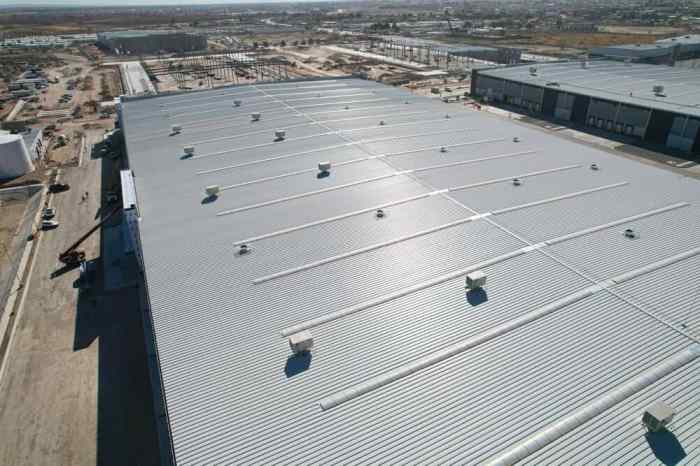
Regular maintenance is crucial for ensuring the longevity and performance of industrial roofing systems. By following a maintenance schedule and promptly addressing any issues, you can prevent costly repairs and extend the lifespan of your roof.
Maintenance Schedule
- Inspect the roof at least twice a year, preferably in the spring and fall, to check for any signs of damage or wear.
- Clean debris such as leaves, branches, and dirt from the roof surface and gutters to prevent clogging and water pooling.
- Check for loose or damaged flashing around vents, skylights, and chimneys, as these areas are common sources of leaks.
- Trim overhanging branches to prevent damage from falling limbs and debris.
Common Issues Identification
- Inspect for signs of water stains on ceilings or walls, which could indicate a leak in the roof.
- Look for missing, cracked, or curled shingles, as well as damaged flashing or sealant around penetrations.
- Check for standing water on the roof, which can lead to deterioration of the roofing materials and structural damage.
- Examine the interior of the building for signs of mold, mildew, or moisture, which may indicate a roofing issue.
Repair Process
- Identify the source of the issue by conducting a thorough inspection of the roof and pinpointing the location of the leak, puncture, or damage.
- Clean the area around the damaged spot and remove any debris or old sealant to prepare it for repair.
- Apply a suitable roofing patch, sealant, or adhesive to seal the leak or puncture, ensuring a watertight seal.
- If the damage is extensive or requires professional expertise, consider hiring a qualified roofing contractor to handle the repair.
End of Discussion
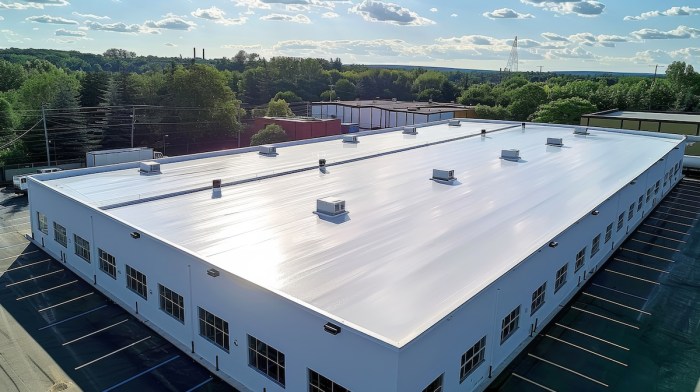
In conclusion, industrial roofing systems installation is a crucial aspect for various industries, ensuring durability and safety. By understanding the different types, installation process, materials, and maintenance required, businesses can make informed decisions for their roofing needs.
Clarifying Questions
What are the common types of industrial roofing systems?
Common types include metal, PVC, TPO, EPDM, and built-up roofing systems, each with unique features suitable for different industries.
What safety measures are important during industrial roofing systems installation?
Safety measures include using proper protective gear, securing the work area, and following OSHA guidelines to prevent accidents and injuries.
How often should industrial roofing systems be maintained?
It is recommended to have regular maintenance checks every 6-12 months to ensure the roofing system remains in good condition and minor issues are addressed promptly.
What are the common issues that may require repairs in industrial roofing systems?
Common issues include leaks, punctures, and damages due to weather or wear and tear, which can be repaired by sealing leaks, patching punctures, or replacing damaged sections.