
Delving into the realm of industrial roofing systems pricing unveils a landscape of options, costs, and considerations that can significantly impact your bottom line. Whether you're a seasoned professional or a curious novice, this guide aims to shed light on the intricacies of pricing within this industry.
As we navigate through the various types of systems, factors influencing pricing, cost breakdowns, and pricing comparisons, you'll gain a deeper understanding of how to navigate this crucial aspect of industrial construction.
Types of Industrial Roofing Systems
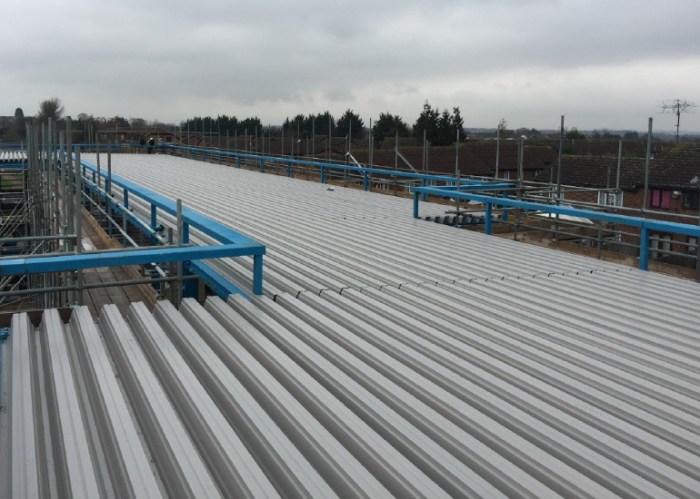
Industrial buildings require robust and durable roofing systems to protect the interior from harsh weather conditions and provide insulation. Various types of industrial roofing systems are commonly used, each with its own set of advantages and disadvantages. Let's explore some of the most popular options and compare their cost-effectiveness.
Metal Roofing
Metal roofing is a popular choice for industrial buildings due to its durability and longevity. It is resistant to fire, rot, and pests, making it a low-maintenance option. However, metal roofs can be prone to denting and can be noisy during heavy rain or hail.
In terms of cost-effectiveness, metal roofing may have a higher upfront cost but can prove to be cost-effective in the long run due to its longevity and low maintenance requirements.
Single-Ply Membrane Roofing
Single-ply membrane roofing systems, such as TPO and EPDM, are lightweight and easy to install. They offer good flexibility and are resistant to UV rays and chemicals. However, they may be less durable than other roofing materials and can be prone to punctures.
In terms of cost-effectiveness, single-ply membrane roofing systems are often more affordable upfront but may require more frequent maintenance and repairs, impacting long-term costs.
Built-Up Roofing (BUR)
Built-Up Roofing (BUR) systems consist of multiple layers of asphalt and reinforcing fabrics. They provide excellent waterproofing and insulation properties. However, BUR systems can be heavy and may require additional structural support. In terms of cost-effectiveness, BUR systems can be cost-effective in the long run due to their durability and longevity, despite the higher initial installation costs.
Green Roofing
Green roofing systems involve the installation of vegetation on the roof surface, providing insulation and reducing energy costs. They also help improve air quality and reduce stormwater runoff. However, green roofing systems require specialized installation and maintenance, which can increase upfront costs.
In terms of cost-effectiveness, green roofing systems may offer long-term savings on energy costs and environmental benefits, but the initial investment can be higher.
Factors Affecting Pricing
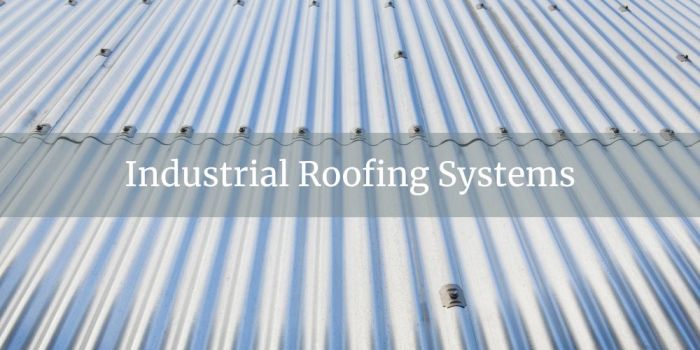
When it comes to pricing industrial roofing systems, several key factors come into play that can significantly impact the overall cost. Factors such as material quality, size, and complexity of the roof are crucial determinants of pricing.
Material Quality
The quality of materials used in industrial roofing systems can greatly affect the pricing. High-quality materials, such as premium metal panels or durable PVC membranes, come at a higher cost but offer better longevity and performance. On the other hand, opting for lower-quality materials may initially reduce costs but could lead to more frequent repairs and replacements in the long run, ultimately increasing overall expenses.
Size and Complexity
The size and complexity of the roof also play a significant role in determining pricing. Larger roofs require more materials, labor, and time to install, resulting in higher costs. Additionally, roofs with complex designs, multiple levels, or intricate features may require specialized installation techniques and additional materials, further impacting the overall pricing.
Cost Components Breakdown
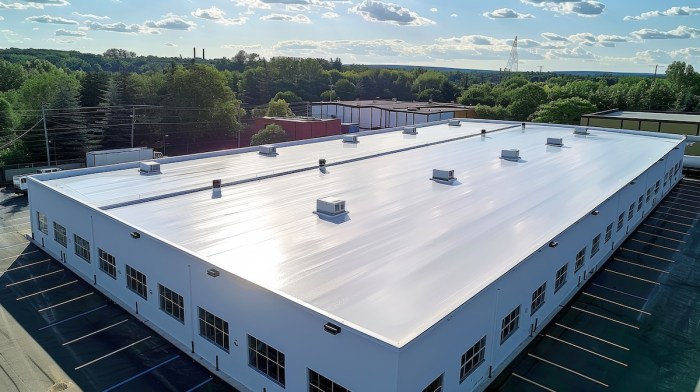
When it comes to pricing industrial roofing systems, there are several components that contribute to the overall cost. Understanding these factors can help you better assess and budget for your roofing project.Labor Costs vs. Material Costs:
Labor Costs
Labor costs typically make up a significant portion of the total price of an industrial roofing system. This includes the cost of hiring skilled workers to install the roof, as well as any additional labor needed for tasks such as removing old roofing materials or making repairs.
Material Costs
Material costs encompass the price of the roofing materials themselves, such as metal panels, membrane roofing, or shingles. The type and quality of materials chosen will have a direct impact on the overall cost of the project. Additionally, factors like insulation, underlayment, and flashing also contribute to material costs.Additional Costs in the Installation Process:
Permits and Inspections
Before installing a new industrial roof, you may need to obtain permits from local authorities. These permits often come with fees that need to be factored into the overall cost. Additionally, inspections may be required at various stages of the installation process, which can incur additional costs.
Equipment Rental
Specialized equipment may be necessary for the installation of industrial roofing systems, such as cranes or lifts. Renting this equipment can add to the total cost of the project.
Waste Disposal
Removing old roofing materials and disposing of them properly can also contribute to the overall cost. Waste disposal fees, particularly for hazardous materials, should be taken into account when budgeting for an industrial roofing project.
Pricing Comparison
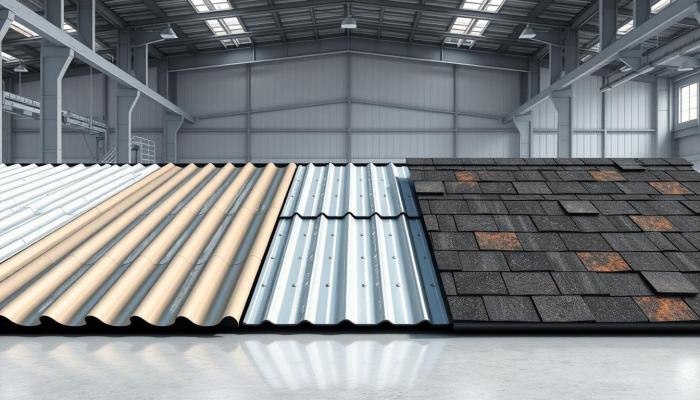
When it comes to industrial roofing systems pricing, different companies may use various pricing models based on factors such as material costs, labor expenses, and overhead. These pricing models can lead to variations in the overall cost of installation or repair services.
Pricing Models
- Some industrial roofing companies may offer fixed pricing based on the square footage of the roof to be covered. This can provide customers with a clear idea of the total cost upfront.
- Other companies may use a cost-plus pricing model, where the total cost is calculated by adding a markup percentage to the actual expenses incurred during the project.
- Some roofing contractors may offer competitive bidding, where multiple companies submit proposals, and the customer selects the one with the most attractive pricing.
Impact of Location
- The location of the industrial building can also impact pricing variations. For example, roofing companies in urban areas with higher operating costs may charge more than those in rural areas.
- Climatic conditions in certain regions can also affect pricing, as roofs in areas prone to severe weather may require additional reinforcement or specialized materials.
Pricing Ranges
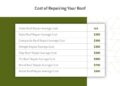
| Roofing System Type | Price Range per Square Foot |
|---|---|
| Metal Roofing | $5
|
| EPDM Roofing | $4
|
| TPO Roofing | $6
|
Closing Notes
In conclusion, industrial roofing systems pricing is a multifaceted realm that demands attention to detail and informed decision-making. By carefully considering the factors discussed in this guide, you can confidently approach pricing discussions and ensure the success of your roofing projects.
FAQ Overview
What are the key types of industrial roofing systems?
Common types include metal roofing, TPO roofing, EPDM roofing, and green roofs.
How does material quality impact industrial roofing system pricing?
The quality of materials can significantly affect pricing, with higher-quality materials typically costing more upfront but offering better durability and longevity.
What are some additional costs involved in industrial roofing system installations?
Additional costs may include insulation materials, roof coatings, and roof maintenance services.