
Exploring the significance of roofing insurance claims for businesses, this introduction delves into how crucial it is to have proper insurance coverage in the roofing industry. From protecting businesses to mitigating risks, the world of business roofing insurance claims is essential for any company operating in this sector.
Detailing the various types of insurance policies available, the process of filing claims, and the factors influencing claim approval, this comprehensive guide sheds light on the complexities of business roofing insurance claims.
Importance of Roofing Insurance Claims for Businesses
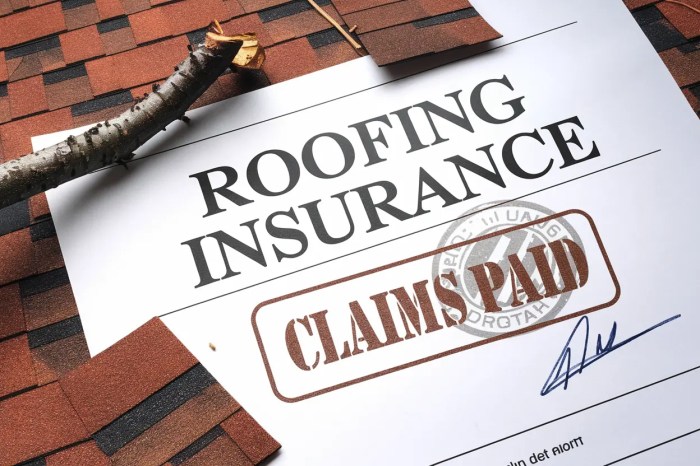
Roofing insurance claims play a critical role in protecting businesses from unexpected financial burdens and disruptions caused by roof damage. Without proper insurance coverage, businesses can face significant risks that may impact their operations and bottom line.
Protection Against Natural Disasters
- Roofing insurance claims provide businesses with financial protection in the event of natural disasters such as hurricanes, tornadoes, or hailstorms.
- These insurance policies help cover the costs of repairing or replacing damaged roofs, ensuring that businesses can quickly recover and resume their operations.
Liability Coverage
- In addition to property damage, roofing insurance can also provide liability coverage for injuries or accidents that occur on the business premises due to roof issues.
- Without proper insurance, businesses may be held financially responsible for medical expenses or legal fees, putting their financial stability at risk.
Prevention of Business Interruption
- Having roofing insurance can prevent significant business interruptions that may result from roof damage.
- By quickly addressing repairs or replacements through insurance claims, businesses can avoid prolonged downtime and revenue loss.
Types of Business Roofing Insurance Policies
When it comes to protecting your business in the roofing industry, there are several types of insurance policies to consider. Each type of policy offers different coverage options and benefits, so it's important to understand the key features of each one.
General Liability Insurance
General liability insurance is essential for any business, including roofing companies. This type of policy provides coverage for third-party bodily injury, property damage, and advertising injury claims. For example, if a customer slips and falls on your job site and sues for medical expenses, general liability insurance would help cover the costs.
Workers' Compensation Insurance
Workers' compensation insurance is crucial for roofing businesses with employees. This policy provides coverage for medical expenses, lost wages, and rehabilitation costs for employees who are injured on the job. For instance, if one of your employees falls off a roof and is unable to work, workers' compensation insurance would help cover their medical bills and replace a portion of their lost wages.
Commercial Property Insurance
Commercial property insurance protects your business property, including your office, tools, equipment, and inventory, from damage or loss due to covered perils such as fire, vandalism, or theft. If a storm damages your roofing equipment or your office building catches fire, commercial property insurance would help cover the repair or replacement costs.
Professional Liability Insurance
Professional liability insurance, also known as errors and omissions insurance, provides coverage for claims of negligence or inadequate work performance. For example, if a client sues your roofing company for faulty installation that leads to water damage in their building, professional liability insurance would help cover legal fees and settlements.
Commercial Auto Insurance
Commercial auto insurance is necessary if your roofing business owns vehicles for work purposes. This policy provides coverage for accidents, injuries, and property damage involving your company vehicles. Whether your employees use trucks to transport materials to job sites or drive vans for client consultations, commercial auto insurance ensures you're protected on the road.
Process of Filing a Roofing Insurance Claim
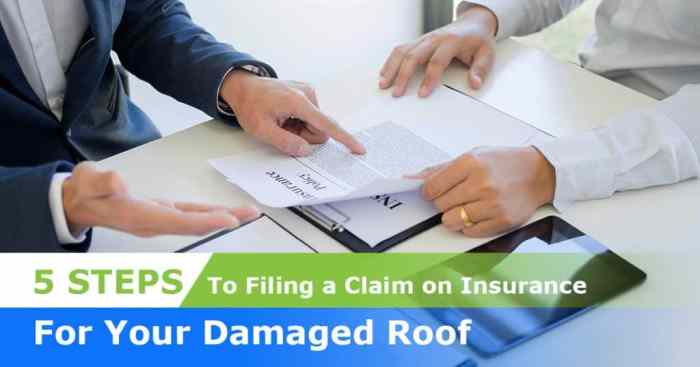
When it comes to filing a roofing insurance claim for your business, it is essential to follow a step-by-step process to ensure a smooth and successful claim submission.
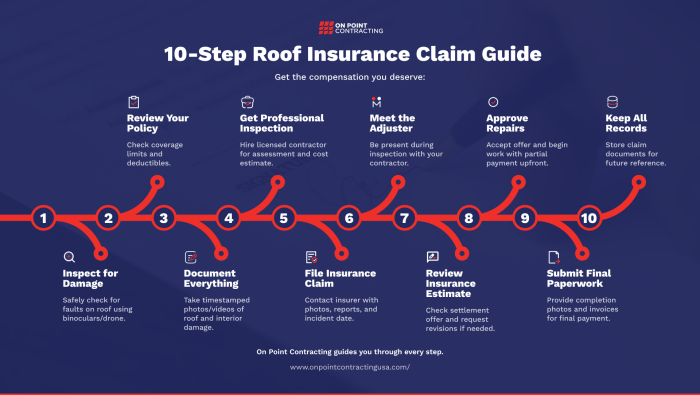
Step 1: Contact Your Insurance Provider
- As soon as you notice damage to your roof, contact your insurance provider to initiate the claims process.
- Provide them with details about the damage, including when and how it occurred.
Step 2: Documentation and Information
- Document the damage by taking photos and videos of the affected areas.
- Keep records of any repairs or temporary fixes you have done to prevent further damage.
- Provide your insurance company with estimates from roofing contractors for the repairs.
- Fill out the necessary claim forms provided by your insurance company.
Step 3: Inspection
- Your insurance company will likely send an adjuster to inspect the damage to your roof.
- Cooperate with the adjuster and provide them with all the necessary documentation and information.
Step 4: Claim Approval
- Once the inspection is complete, your insurance company will review the information and documentation provided to determine the coverage amount.
- If the claim is approved, you will receive a payment for the repairs, minus any deductible.
Common Pitfalls to Avoid When Filing a Roofing Insurance Claim
- Avoid delaying the claim filing process, as timely reporting is crucial for a successful claim.
- Do not overstate or understate the extent of the damage, as this could lead to claim denial or reduced coverage.
- Make sure to read and understand your insurance policy to know what is covered and what is not.
- Work with reputable roofing contractors and provide accurate estimates for the repairs.
Factors Influencing Roofing Insurance Claim Approval
When it comes to getting approval for a roofing insurance claim for your business, there are several key factors that can influence the outcome. These factors play a crucial role in determining whether your claim will be approved or denied by the insurance company.
Age and Condition of the Roof
The age and condition of your business's roof are important factors that can significantly impact the approval of your insurance claim. Insurance companies typically consider the age of the roof when determining whether to approve a claim. A newer roof in good condition is more likely to be approved, as it is seen as less prone to damage and deterioration.
On the other hand, an older roof that is in poor condition may face more scrutiny and could lead to a denial of the claim.Inspections and assessments also play a crucial role in the approval process. Insurance companies often require a thorough inspection of the roof to assess its current condition and any pre-existing damage.
This inspection helps the insurance adjuster determine the extent of the damage and whether it is covered under the policy. Additionally, assessments by professional roofing contractors may be necessary to provide an accurate evaluation of the roof's condition and the cost of repairs or replacement.Overall, the age and condition of the roof, as well as the results of inspections and assessments, are key factors that can influence the approval of a roofing insurance claim for your business.
Final Wrap-Up
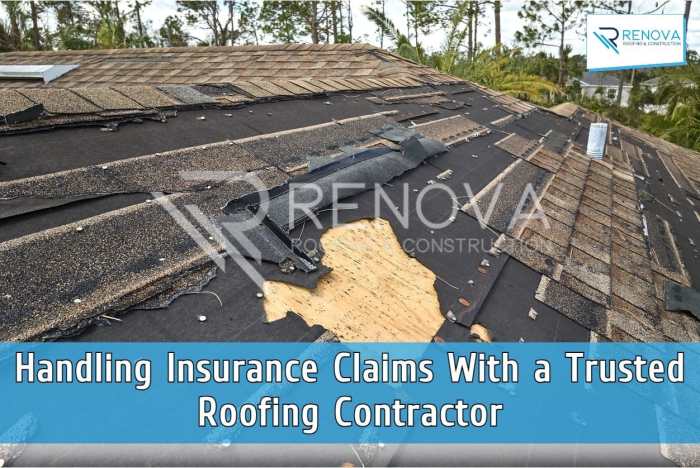
In conclusion, understanding the ins and outs of business roofing insurance claims is vital for the success and security of any roofing business. By grasping the nuances of insurance policies, claim filing procedures, and approval factors, businesses can navigate the challenges of the industry with confidence and resilience.
Helpful Answers
What is the importance of roofing insurance claims for businesses?
Roofing insurance claims are crucial for businesses as they provide financial protection against potential damages to roofs, ensuring that companies can continue operating without facing significant financial losses.
What types of insurance policies are available for businesses in the roofing industry?
Insurance policies such as general liability insurance, workers' compensation insurance, and property insurance are commonly available for businesses in the roofing industry, each offering distinct coverage benefits.
What documentation is typically required during the roofing insurance claim filing process?
Documentation such as proof of loss, estimates for repairs, and photos of damage are usually required during the claim filing process to substantiate the claim and facilitate a smoother approval process.
How does the age and condition of the roof affect claim approval?
The age and condition of the roof can impact claim approval, as older or poorly maintained roofs may be deemed higher risk by insurance companies, potentially affecting the terms of coverage or approval likelihood.
What role do inspections and assessments play in the approval process of roofing insurance claims?
Inspections and assessments are crucial in the approval process as they help insurance companies evaluate the extent of damage, determine coverage eligibility, and assess the overall risk associated with the claim.