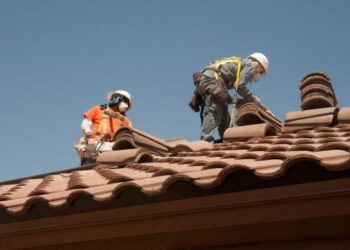

Delve into the world of roof replacement project estimates with this engaging title, offering a glimpse into the intricacies and considerations involved in this crucial process.
As we explore the factors influencing estimates, gathering detailed information, breaking down costs, and communicating effectively with contractors, you'll gain valuable insights into the world of roof replacement project estimates.
Factors influencing roof replacement project estimates
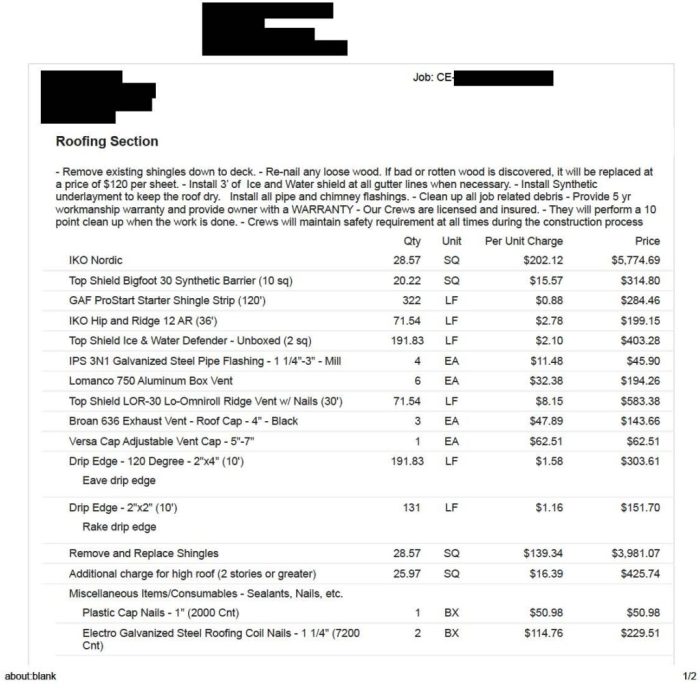
When it comes to estimating the cost of a roof replacement project, several factors come into play that can significantly impact the final estimate.
Size of the roof
The size of the roof is a crucial factor in determining the cost estimate for a replacement project. Larger roofs will require more materials and labor, resulting in a higher overall cost. Roofing contractors typically calculate the cost per square foot, so the size of the roof directly correlates to the final estimate.
Roofing material choice
The choice of roofing material also plays a vital role in the overall estimate for a replacement project. Different materials come at varying price points, with some being more expensive than others. For example, opting for high-end materials like slate or metal will significantly increase the cost compared to more affordable options like asphalt shingles.
Complexity of the roof design
The complexity of the roof design can impact the estimate due to the additional labor and expertise required to work on intricate roof structures. Roof designs with multiple angles, slopes, or unique features may take longer to install, leading to higher labor costs.
As a result, the complexity of the roof design directly influences the overall estimate for a replacement project.
Gathering information for a detailed estimate
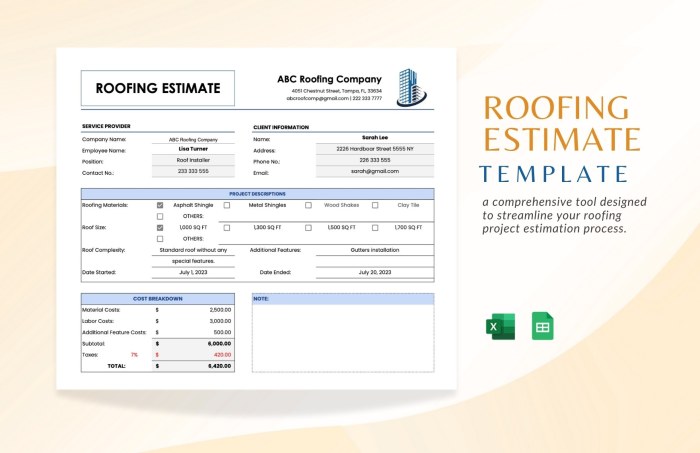
When preparing a detailed estimate for a roof replacement project, it is crucial to gather accurate information to ensure the project runs smoothly and stays within budget. Here are some important steps to follow:
Measuring the roof area accurately
To accurately measure the roof area, you can follow these steps:
- Divide the roof into simple geometric shapes (rectangles, triangles, etc.)
- Measure the length and width of each section using a tape measure
- Multiply the length by the width for each section to calculate the area
- Add up the areas of all sections to get the total roof area
Inspecting the roof for existing damage
Before providing an estimate, it is essential to inspect the roof for any existing damage, such as leaks, missing shingles, or rotting wood. This will help in determining the extent of repairs needed and any additional costs that may arise during the project.
Identifying additional work like insulation or ventilation upgrades
During the inspection, it is crucial to identify any additional work that may be required, such as installing insulation or upgrading ventilation systems. These upgrades can impact the estimate by adding extra materials and labor costs, but they are essential for ensuring the longevity and energy efficiency of the new roof.
Cost breakdown in a roof replacement estimate
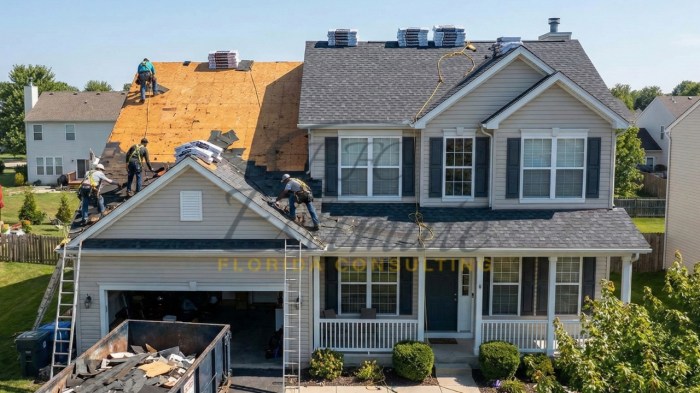
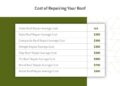
When it comes to estimating the cost of a roof replacement project, it is crucial to break down the costs into various components to ensure accuracy and transparency. A typical roof replacement estimate will include costs for labor, materials, permits, disposal fees, and any additional services required for the project.
Components of a roof replacement estimate
- Labor: This includes the cost of the skilled workers who will be installing the new roof.
- Materials: This covers the cost of the roofing materials such as shingles, underlayment, flashing, and any other supplies needed.
- Permits: Obtaining the necessary permits from the local authorities may incur a fee that should be factored into the estimate.
- Disposal fees: When removing the old roof, there may be fees associated with disposing of the debris properly.
- Additional services: Any additional services such as roof inspection, roof deck repair, or gutter replacement should also be included in the estimate.
Contingency costs for unexpected issues
It is essential to allocate a contingency fund in the estimate to account for any unexpected issues that may arise during the roof replacement project. Unforeseen problems such as hidden structural damage, mold remediation, or additional material requirements can impact the overall cost.
Setting aside a percentage of the total estimate as a contingency fund can help cover these unforeseen expenses without causing budget overruns.
Comparing estimates from different contractors
When comparing estimates from different contractors, it is important to look beyond the total cost and consider the breakdown of each estimate. Ensure that each contractor has included all necessary components in their estimate and that there are no hidden costs.
Additionally, verify that the materials and labor costs are competitive and that the scope of work aligns with your expectations. Don't hesitate to ask questions and seek clarification on any discrepancies between the estimates to make an informed decision on which contractor to choose for your roof replacement project.
Communicating with contractors for accurate estimates

Effective communication with contractors is crucial when seeking accurate estimates for a roof replacement project. Clear communication about project requirements helps ensure that the contractor understands the scope of work and can provide an estimate that aligns with your expectations.
Importance of asking for a written estimate detailing all costs
- Requesting a written estimate that details all costs is essential to avoid any surprises or hidden fees later on.
- A detailed estimate allows you to compare quotes from different contractors accurately.
- Having all costs laid out in writing helps prevent misunderstandings and ensures transparency throughout the project.
Tips on evaluating the credibility of a contractor's estimate
- Ask for references from past clients to gauge the contractor's reputation and quality of work.
- Verify that the contractor is licensed, insured, and bonded to protect yourself from liability.
- Compare the estimates provided by different contractors to ensure they are in line with industry standards.
- Look for any hidden costs or vague language in the estimate that could lead to additional charges down the line.
Outcome Summary
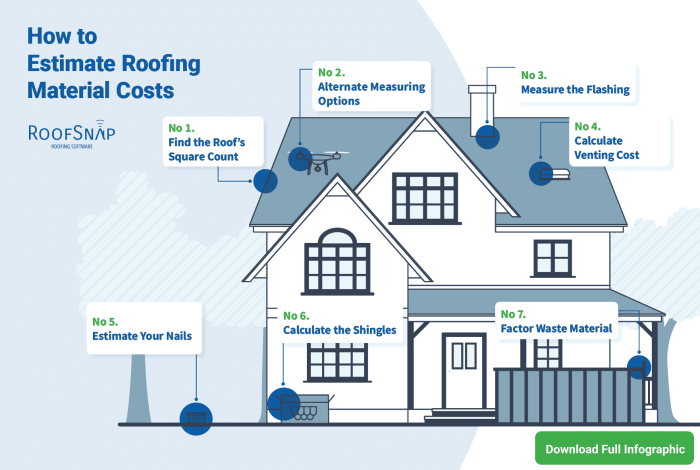
Wrapping up our discussion on roof replacement project estimates, it's clear that attention to detail, clear communication, and thorough planning are key to ensuring a successful project. Embrace these principles as you navigate through the process of estimating and executing your roof replacement project.
Question Bank
How does the size of the roof impact the cost estimate?
The larger the roof, the more materials and labor are required, hence increasing the cost estimate.
Why is it important to inspect the roof for existing damage during the estimation process?
Inspecting for damage helps identify potential issues that may require additional work and impact the overall estimate.
What are contingency costs and why should they be factored into the estimate?
Contingency costs are set aside for unexpected issues that may arise during the project, ensuring financial preparedness.
How can one effectively compare estimates from different contractors?
To compare estimates, ensure they include all necessary details such as labor, materials, permits, and any additional costs, helping you make an informed decision.