
In the world of construction, efficiency and accuracy are key. Roofing estimating software plays a crucial role in helping contractors streamline their cost estimation processes and create detailed estimates. Let's dive into the world of roofing estimating software and explore the benefits, key features, best practices, and cost considerations in this essential tool for contractors.
Importance of Roofing Estimating Software
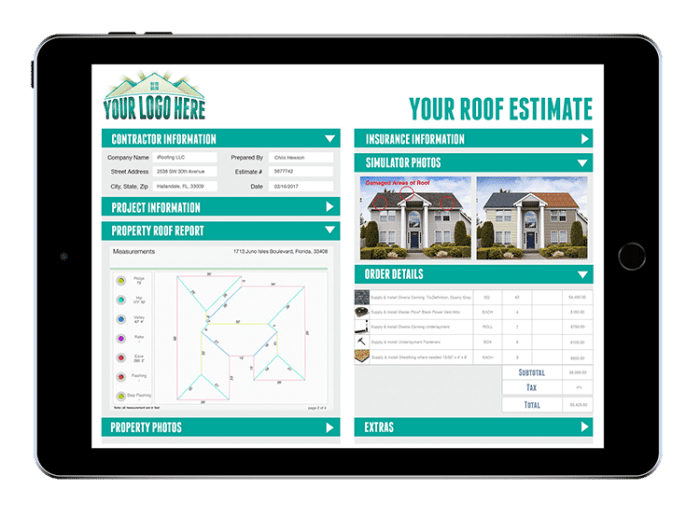
Using roofing estimating software is crucial for contractors as it offers numerous benefits that streamline the estimation process and improve accuracy in cost estimation. This software helps in creating professional and detailed estimates, ultimately leading to better project planning and client communication.
Benefits of Using Roofing Estimating Software
- Enhanced Accuracy: Roofing estimating software eliminates human errors and miscalculations, ensuring precise cost estimation for projects.
- Time-Saving: By automating the estimation process, contractors can save valuable time and focus on other aspects of their projects.
- Increased Efficiency: The software streamlines the entire estimation process, making it more efficient and effective.
Improving Accuracy in Cost Estimation
Roofing estimating software utilizes advanced algorithms and databases to calculate costs based on materials, labor, and other project-specific factors. This ensures that contractors provide accurate estimates to clients, reducing the likelihood of budget overruns and disputes.
Streamlining the Estimation Process
- Centralized Data: The software consolidates all project information in one place, making it easy to access and reference during the estimation process.
- Integration Capabilities: Roofing estimating software can integrate with other tools like CRM systems or project management software, streamlining communication and data sharing across teams.
- Template-Based Estimation: Contractors can create standardized templates for different types of projects, saving time and ensuring consistency in estimates.
Creating Professional and Detailed Estimates
Roofing estimating software allows contractors to include detailed breakdowns of costs, materials, and labor in their estimates. This level of professionalism not only instills confidence in clients but also helps contractors accurately plan and execute their projects.
Key Features to Look for in Roofing Estimating Software
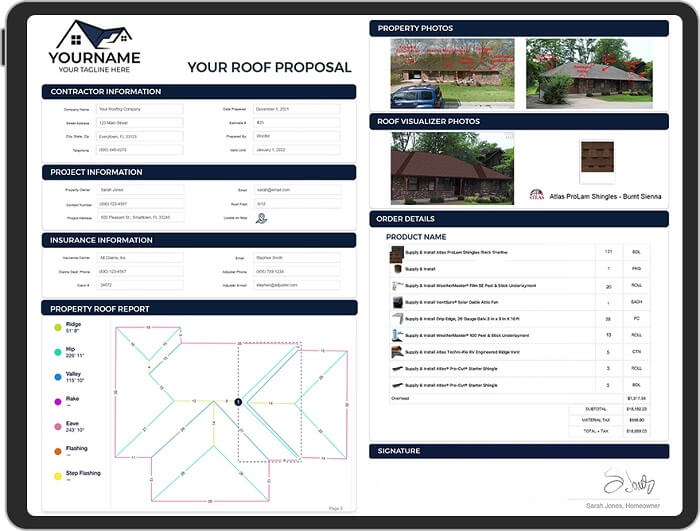
When choosing a roofing estimating software, it is crucial to consider the key features that will streamline your estimating process, improve accuracy, and enhance overall efficiency. Here are some essential features to look for:
Material Cost Databases
Having access to a comprehensive material cost database is vital for accurate estimates. Look for software that includes up-to-date pricing information for various roofing materials, allowing you to quickly calculate costs and adjust estimates as needed.
Measurement Tools and Visualization Capabilities
The software should offer measurement tools that enable you to accurately measure roofs and other structures. Additionally, visualization capabilities such as 3D modeling or aerial imagery can help you create detailed and visually appealing estimates for clients.
Integration with Accounting and Project Management Software
Seamless integration with accounting and project management software is essential for efficient workflow management. Look for estimating software that can easily sync data with other systems to streamline processes, reduce errors, and improve communication between team members.
Customizable Templates and Reports
Customizable templates and reports allow you to tailor estimates to match your company's branding and specific requirements. Look for software that offers a range of template options and the ability to generate detailed reports that can be easily shared with clients and team members.
Comparison of Roofing Estimating Software Options
When comparing different roofing estimating software options, consider the feature sets of each system to determine which best meets your needs. Look for user-friendly interfaces, robust support services, and positive reviews from other users to ensure you select the right software for your business.
Best Practices for Implementing Roofing Estimating Software
Implementing roofing estimating software can revolutionize the way your roofing business operates. To ensure a smooth transition and maximize the benefits of the software, it is essential to follow best practices for implementation. Here are some key tips to consider:
Training Employees Effectively
Training your employees on how to use the roofing estimating software is crucial for successful implementation. Consider the following tips:
- Provide comprehensive training sessions to familiarize employees with the software features and functionalities.
- Offer hands-on practice and create opportunities for employees to ask questions and seek clarification.
- Assign experienced users as mentors to provide guidance and support to new users.
Integrating Software into Existing Workflows
Integrating the software seamlessly into your existing workflows is key to optimizing efficiency. Here are some strategies to consider:
- Identify areas in your current workflows where the software can be incorporated for maximum impact.
- Create standardized processes for using the software to ensure consistency across projects.
- Encourage collaboration among team members to streamline communication and workflow integration.
Ensuring Data Accuracy and Consistency
Maintaining data accuracy and consistency in the estimation process is crucial for reliable project outcomes. Consider the following strategies:
- Establish data entry protocols and quality control measures to minimize errors and discrepancies.
- Regularly review and update project data to ensure accuracy and relevance.
- Implement validation checks and double-check data inputs to maintain consistency in estimates.
Regular Software Updates and Maintenance
Regular updates and maintenance are essential to ensure the software functions optimally and remains up-to-date. Here's why it's important:
- Stay informed about software updates and new features to leverage the latest advancements in technology.
- Regularly perform software maintenance to prevent system glitches and ensure smooth operation.
- Engage with software support services for troubleshooting and assistance with any issues that may arise.
Cost Considerations and ROI Analysis
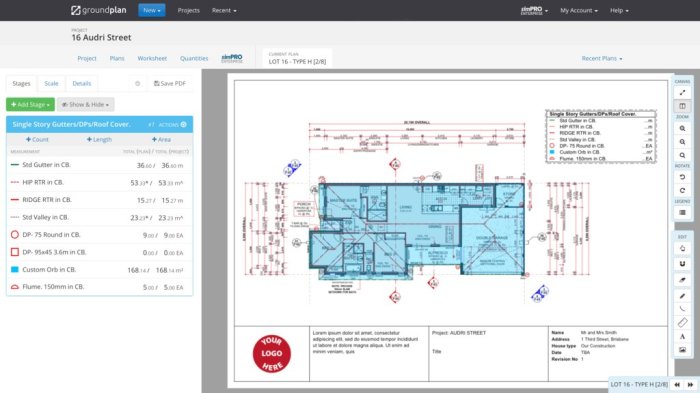
Implementing roofing estimating software comes with various cost considerations and requires a thorough analysis of the return on investment (ROI). Let's delve into the details.
Cost of Roofing Estimating Software
The cost of roofing estimating software can vary based on the features included and the subscription models offered by different providers. Some software solutions may have a one-time licensing fee, while others operate on a monthly or yearly subscription basis.
Additional costs may arise for customization, training, and support services.
Calculating ROI
Calculating the return on investment (ROI) of implementing roofing estimating software involves comparing the costs of using the software against the benefits gained. To calculate ROI, use the following formula:
ROI = (Net Benefits / Costs) x 100
Net benefits include cost savings, increased efficiency, reduced errors, and improved accuracy in estimating and bidding processes.
Examples of Cost Savings and Efficiency
By using roofing estimating software, companies have reported significant cost savings and increased efficiency. For example, automating the estimation process can reduce the time spent on manual calculations, resulting in faster turnaround times for quotes. The software can also help in optimizing material usage, minimizing waste, and improving accuracy in pricing.
Budgeting for Implementation and Ongoing Expenses
When budgeting for roofing estimating software implementation, consider the initial costs such as licensing fees, customization, and training. Additionally, factor in ongoing expenses like subscription renewals, maintenance, and support services. It's essential to allocate resources wisely to maximize the benefits and ROI of the software investment.
End of Discussion
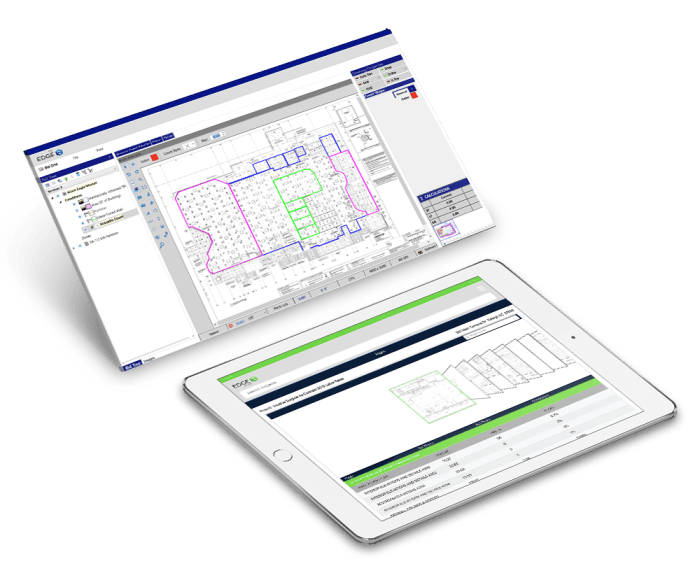
As we wrap up our discussion on roofing estimating software, it's clear that investing in the right tool can significantly impact a contractor's workflow. From accuracy in estimates to cost savings, the benefits are numerous. By implementing best practices and considering cost factors, contractors can make informed decisions to enhance their operations and stay ahead in the competitive construction industry.
FAQs
How does roofing estimating software benefit contractors?
Roofing estimating software helps contractors streamline their estimation process, improve accuracy in cost estimation, and create professional estimates efficiently.
What are some key features to look for in roofing estimating software?
Essential features include material cost databases, measurement tools, visualization capabilities, integration with accounting and project management software, customizable templates, and detailed reports.
How can contractors ensure data accuracy when using roofing estimating software?
Contractors can ensure data accuracy by training employees effectively, integrating the software into existing workflows, and regularly updating and maintaining the software.
What factors should contractors consider when analyzing the ROI of roofing estimating software?
Contractors should consider the cost of the software, potential cost savings, increased efficiency, and budgeting for implementation and ongoing expenses when analyzing the ROI of roofing estimating software.