
Embark on a journey into the realm of commercial roofing systems cost, where we unravel the intricacies and nuances surrounding this crucial aspect of building maintenance and construction. From the different types of roofing systems available to the factors influencing cost, this guide delves deep into the world of commercial roofing expenses.
As we navigate through the details, you'll gain valuable insights into the installation, maintenance, and repair costs associated with commercial roofing systems, equipping you with essential knowledge for informed decision-making.
Types of Commercial Roofing Systems
When it comes to commercial roofing systems, there are several options available, each with its own set of characteristics and cost implications. It's essential to choose the right type of roofing system based on factors such as durability, longevity, and budget constraints.
Flat Roofing Systems
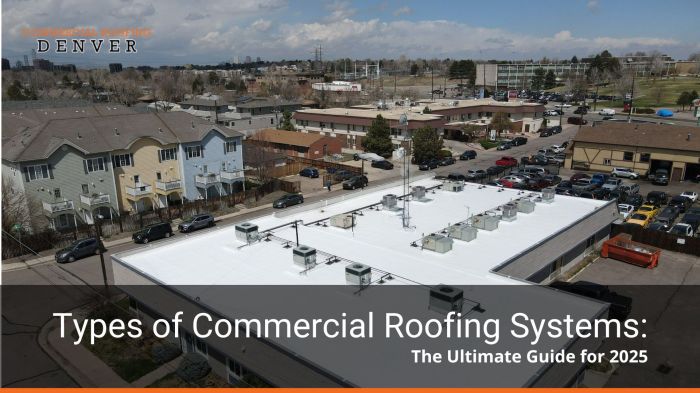
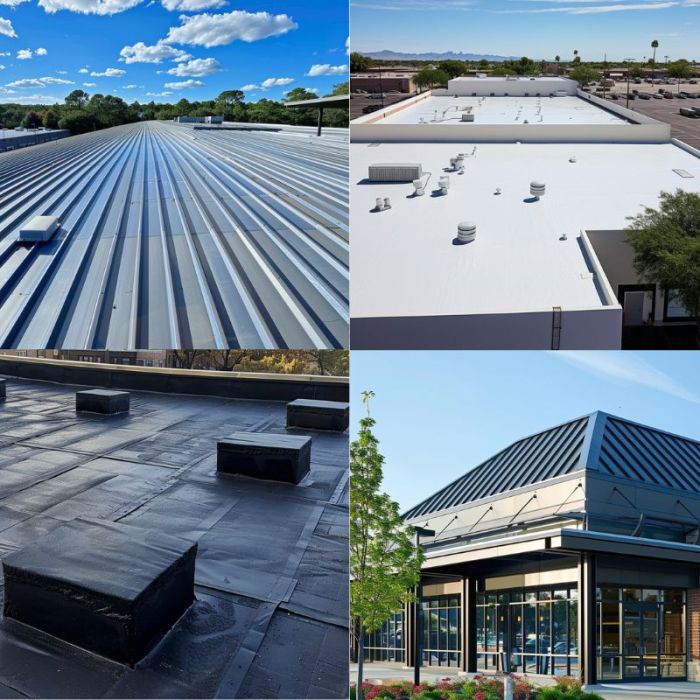
Flat roofing systems are commonly used in commercial buildings and are known for their cost-effectiveness. However, they may require more maintenance and have a shorter lifespan compared to other types of roofing systems. The cost of installation for a flat roof can vary depending on the materials used, such as EPDM, TPO, or PVC.
Metal Roofing Systems
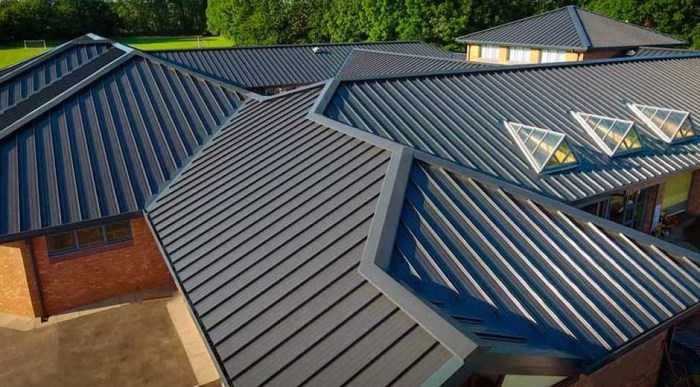
Metal roofing systems are durable and long-lasting, making them a popular choice for commercial buildings. While the initial cost of installing a metal roof may be higher than other options, the longevity of the system can result in cost savings over time.
Metal roofs are also energy-efficient and environmentally friendly.
Green Roofing Systems
Green roofing systems, also known as vegetative or living roofs, are becoming increasingly popular for commercial buildings. While the initial cost of installing a green roof may be higher, they offer benefits such as improved insulation, reduced energy costs, and environmental sustainability.
Green roofs can also extend the lifespan of the roof by protecting it from UV rays and extreme temperatures.
Spray Foam Roofing Systems
Spray foam roofing systems provide a seamless and durable roofing solution for commercial buildings. While the initial cost of installing spray foam may be higher, it offers excellent insulation properties and can help reduce energy costs over time. Spray foam roofs are also resistant to moisture and can help extend the lifespan of the roof.
Factors Affecting Commercial Roofing Systems Cost
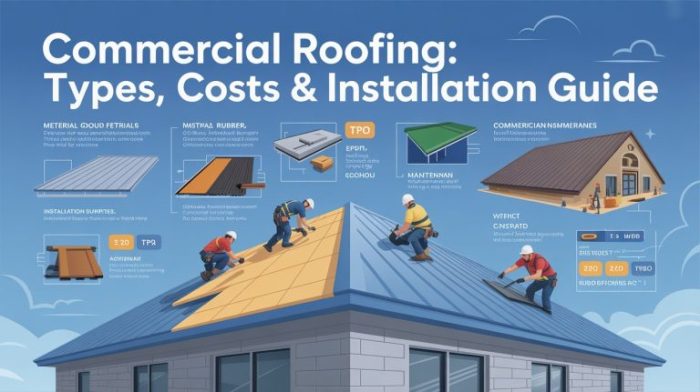
When it comes to the cost of commercial roofing systems, several key factors play a significant role in determining the overall price. Factors such as the size of the roof and the quality of materials used can greatly impact the total cost of installation or repair.
Size of the Roof
The size of the roof is a crucial factor that influences the cost of commercial roofing systems. Larger roofs require more materials, labor, and time to complete the installation or repair process. As a result, the cost tends to increase with the size of the roof.
Additionally, larger roofs may also require specialized equipment or access, which can further add to the overall expenses.
Material Quality
The quality of materials used in commercial roofing systems can significantly affect the pricing. High-quality materials, such as premium roofing shingles or durable metal panels, generally come at a higher price point. However, investing in quality materials can result in a longer lifespan for the roof, reducing the need for frequent repairs or replacements in the future.
On the other hand, opting for lower-quality materials may initially lower the cost but could lead to higher maintenance expenses down the line.
Installation Costs of Commercial Roofing Systems
Installing a commercial roofing system involves various components that contribute to the overall cost. Understanding the breakdown of installation costs is crucial for budgeting and planning purposes.
Labor Costs
Labor costs play a significant role in the installation of commercial roofing systems. The type of roofing material, the size of the roof, and the complexity of the installation all impact labor costs. For example, installing a metal roof may require different skills and labor hours compared to installing a single-ply membrane roof.
Additionally, labor costs can vary based on the location and availability of skilled roofing contractors.
Additional Features Impact
Incorporating additional features like insulation or drainage systems can also impact installation costs. Insulation is essential for energy efficiency and can help regulate indoor temperatures, but it adds an extra layer of material and labor to the installation process. Similarly, incorporating a proper drainage system to prevent water pooling and leaks requires additional materials and labor, thus increasing the overall installation costs.
Maintenance and Repair Costs of Commercial Roofing Systems
Regular maintenance is crucial in controlling long-term costs associated with commercial roofing systems. By conducting routine inspections and addressing minor issues promptly, property owners can avoid more significant and costly repairs down the line.The choice of roofing material can also impact maintenance costs.
Some materials may require more frequent inspections or repairs, leading to higher overall expenses. For example, a flat roof made of EPDM may need more frequent inspections for tears or punctures compared to a metal roof.
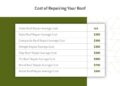
Common Repair Costs
- Leak repairs: Identifying and fixing leaks in commercial roofing systems can be a common repair cost. This involves locating the source of the leak, repairing the damaged area, and ensuring proper sealing to prevent future leaks.
- Flashing repair/replacement: Damaged or deteriorated flashing around vents, skylights, or chimneys can lead to water infiltration. Repairing or replacing flashing is essential to maintain the integrity of the roofing system.
- Membrane replacement: In cases where the roofing membrane is damaged beyond repair, replacing the membrane can be a significant cost. Proper installation and maintenance of the new membrane are crucial to ensure durability.
- Structural repairs: Damage to the underlying structure of the roof, such as sagging or rotting decking, may require structural repairs. Addressing these issues promptly is essential to prevent further damage to the roofing system.
Final Summary
In conclusion, understanding the costs involved in commercial roofing systems is vital for property owners and managers alike. By grasping the key factors that impact pricing and maintenance expenses, you can make informed choices that ensure the longevity and durability of your commercial property.
FAQs
What factors affect the cost of commercial roofing systems?
The cost of commercial roofing systems can be influenced by factors such as the type of material used, the size of the roof, and any additional features like insulation or drainage systems.
How does regular maintenance impact long-term costs for commercial roofing systems?
Regular maintenance plays a crucial role in controlling long-term costs by preventing extensive damage and prolonging the lifespan of the roofing system.
What are some common repair costs associated with commercial roofing systems?
Common repair costs for commercial roofing systems may include fixing leaks, replacing damaged shingles, or repairing flashing around vents and chimneys.